Ph: (425)610-9394
Ph: (360)207-1530


Workplace injury prevention is essential for protecting your body, maintaining productivity, and ensuring long-term career health. Whether you work in construction, healthcare, manufacturing, or an office environment, daily physical strain and repetitive movements can increase the risk of injury. By understanding proper body mechanics, strength training, and safety practices, workers can reduce injuries and perform at their best every workday.
A glance at recent figures paints a clear picture: in 2023 alone, private industries across the U.S. reported approximately 2.6 million nonfatal workplace injuries and illnesses. That’s an astonishing number of dedicated individuals sidelined, not by pure misfortune, but by patterns of strain, impact, and fatigue that are often quite predictable. Understanding the mechanisms behind these common injuries isn’t just for safety specialists; it’s fundamental knowledge for your enduring health and your unwavering ability to stay on the job.
Decoding the Wear and Tear: What Happens When the Job Takes Its Toll
Workplace injuries seldom arise from nowhere. Instead, they typically emerge when the physical demands placed on your body exceed its innate capacity for resilience. It’s akin to pushing a cherished piece of equipment beyond its operational limits.
The Sudden Shock: When Unexpected Forces Collide
- Fractures (Broken Bones): These can be the dramatic result of a heavy object plummeting onto you, a significant fall from elevation, or a direct, powerful blow encountered on a job site. Yet, also common are “stress fractures”—microscopic cracks that accumulate over time from persistent, repetitive pounding, frequently seen in roles demanding long hours on your feet or continuous heavy lifting.
- Cuts and Lacerations: These are abrupt, unintended penetrations or tears in your skin, frequently caused by sharp implements (like utility knives, shattered glass, or exposed metal edges) or contact with moving machinery. They represent an immediate breach of your body’s outer defenses.
- Burns: Whether from searing surfaces in a kitchen, corrosive cleaning chemicals, welding sparks, or electrical faults, burns signify direct tissue damage caused by intense energy transfer. They effectively destroy the very cells composing your skin and deeper tissues.
- Contact with Objects & Equipment: This category encompasses those jarring instances: being struck by a moving object (a swinging pipe, a falling tool, an errant forklift), or colliding with a stationary one (a low-hanging beam, an unseen desk corner, or a piece of fixed equipment). It’s an abrupt, uncompensated transfer of kinetic energy to your body.
The Overload Effect: When Pushed Past the Breaking Point
Sprains, Strains & Overexertion: This category consistently accounts for the largest share of workplace injuries. It manifests when you attempt to lift an excessive load, twist awkwardly while maneuvering a loaded tray, repeatedly bend to meticulously clean a surface, or simply strain against a stubborn resistance. Your muscles, tendons (the robust bands linking muscle to bone), and ligaments (the even stronger connectors between bones) are stretched beyond their elastic limits, sometimes tearing. From a scientific standpoint, the applied force has exceeded the tensile strength of these resilient soft tissues, leading to inflammation and acute pain. It’s the physical consequence of attempting to operate a system beyond its rated capacity.
The Slow Grind: The Invisible Cost of Repetition
Cumulative Trauma Disorders (CTDs) / Repetitive Strain Injuries (RSIs): These are the stealthy adversaries. They don’t announce themselves with a sudden incident but insidiously develop over weeks, months, or even years. Consider the persistent ache in a cleaner’s shoulder from endless scrubbing, a waiter’s wrist pain from tirelessly carrying trays, or a construction worker’s chronic knee issues from constant kneeling and squatting. Here, your body’s tissues gradually break down because they receive insufficient rest or recovery time to counteract the ongoing stress. It’s analogous to a vital machine component slowly failing from continuous operation without adequate servicing. Even prolonged, unsupportive postures in an office setting can contribute significantly to these conditions.
It’s also crucial to acknowledge the impact of exposure to harmful substances or environments. Recent global events have starkly underscored how even invisible threats, such as airborne pathogens, can profoundly affect worker health, resulting in substantial time away from daily duties.
Mastering Your Craft: Strategies for Enduring Workplace Safety
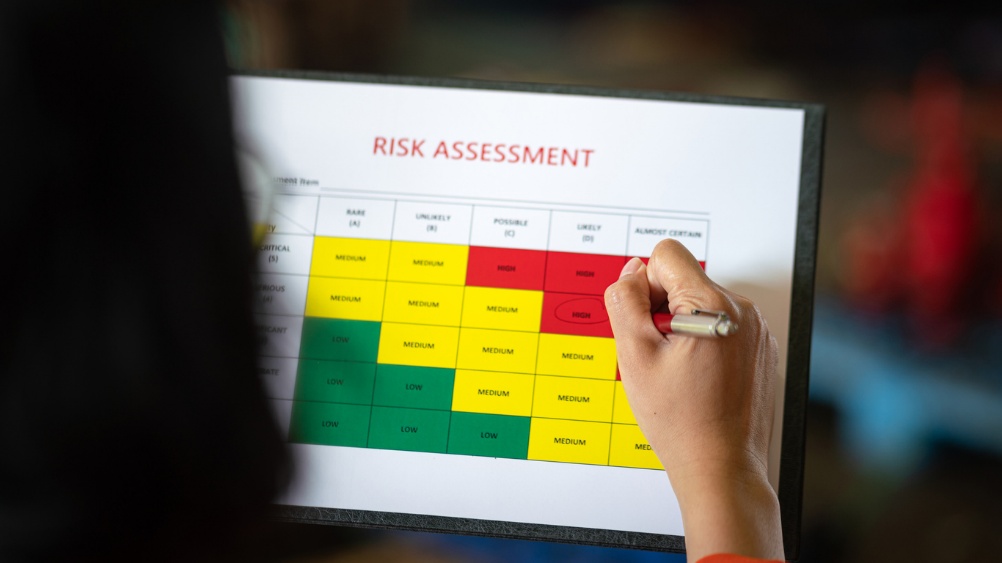
Understanding how injuries occur is merely the initial step. The real empowerment lies in knowing how to prevent them. This isn’t about relying on chance; it’s about intelligent design, disciplined habits, and informed decisions, all geared towards keeping your body functioning optimally.
- Smart Setup: Ergonomics (Customizing Your Work for Your Body): This principle extends far beyond just office ergonomics. It involves configuring your workspace, tools, and work processes to harmonize with your body’s natural movements and dimensions. Can your cleaning cart be adjusted to minimize bending? Are your hand tools designed to reduce strain during repetitive tasks like assembly or data entry? Is there mechanical assistance available for heavy loads, allowing you to use a dolly or hoist instead of straining your back? When your work environment is ergonomically optimized, it inherently reduces physical stress, a scientifically proven method to curtail both sudden traumas and the creeping effects of wear-and-tear.
- Smart Habits: Work Smarter, Not Harder (Your Personal Maintenance Protocol): Often, simple modifications in how tasks are executed can yield significant safety benefits. Can your team implement job rotation to vary the muscles and movements used throughout the day? Are you taking short, strategic breaks to stretch, walk, and allow those hardworking muscle groups to recover? When lifting, always engage your powerful leg muscles, maintain a neutral spine, and crucially, never hesitate to ask for assistance if the load feels too heavy. These practices provide your body essential recovery time, staving off fatigue and muscular imbalances—much like consistent servicing keeps essential equipment from breaking down unexpectedly.
- Smart Gear: Personal Protective Equipment (The Right Tools for the Right Task): Never overlook the importance of safety glasses, hard hats, steel-toed footwear, robust gloves, or non-slip shoes. These aren’t merely rules; they are scientifically engineered barriers designed to protect you from potential hazards. Every piece of safety gear is developed based on real-world incident data to shield you from impacts, chemical exposures, and slips. It is your primary, indispensable line of defense, akin to selecting precisely the correct tool for a demanding job.
- Smart Thinking: Knowledge is Power (Understanding Your Body’s Operational Manual): Engage fully during safety trainings. These aren’t just bureaucratic exercises; they are vital lessons distilled from countless experiences. The more you comprehend the inherent risks of your profession and the safest methods for task execution, the better equipped you become to protect yourself. Being informed empowers you to identify potential problems before they escalate into injuries and to recognize the subtle, early indicators of strain or discomfort. If you experience a persistent ache, or sense that something isn’t quite right, do not succumb to the urge to “tough it out.” That sensation is your body issuing a critical warning. Seek professional evaluation. Your long-term health and functional capacity are invaluable.
Your body is your livelihood, the very essence of your professional and personal endeavors. Caring for it isn’t merely a sound idea; it is a fundamental imperative for your family, your career, and your future. By truly understanding the nature of both sudden injuries and chronic wear-and-tear, acknowledging the hard data that illuminates common risks, and embracing proactive, practical safety strategies, you can ensure your body remains robust, healthy, and ready for whatever demands your work life may bring, for many years to come.
Useful Links
- Copyright 2025 ALDORA INJURY AND WELLNESS