Ph: (425)610-9394
Ph: (360)207-1530


Herniated vs. Bulging Disc: Protecting Your Back and Knowing the Difference.
Back pain is extremely common, but understanding the difference between a herniated vs bulging disc can help you recognize symptoms early and protect your spine. Knowing what each condition means makes it easier to seek the right treatment and prevent long-term damage.
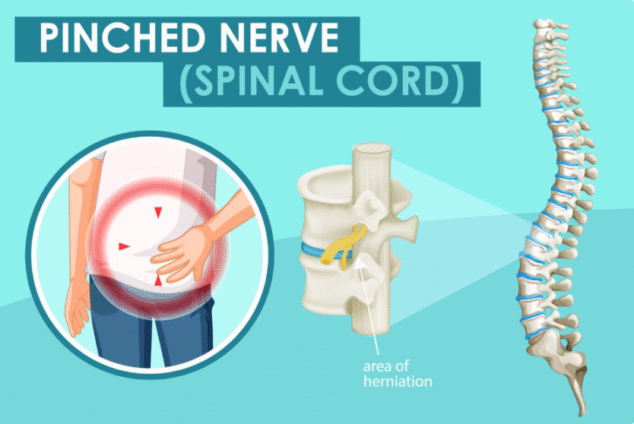
What Is a Bulging Disc?
A bulging disc happens when the disc slightly extends outward but does not break open. This is often caused by aging, posture issues, repeated lifting, or everyday wear and tear.
Bulging discs may not cause symptoms immediately, but if the disc presses on a nerve, you may experience:
Mild to moderate back pain
Tingling or numbness
Muscle weakness
Discomfort while sitting or standing for too long
What Is a Herniated Disc?
A herniated disc is more serious. It occurs when the inner gel-like material pushes out through a tear in the outer layer. This can lead to stronger nerve irritation and more severe symptoms, such as:
Sharp or radiating pain
Loss of mobility
Burning or electric-like sensations
Pain that travels down the legs or arms
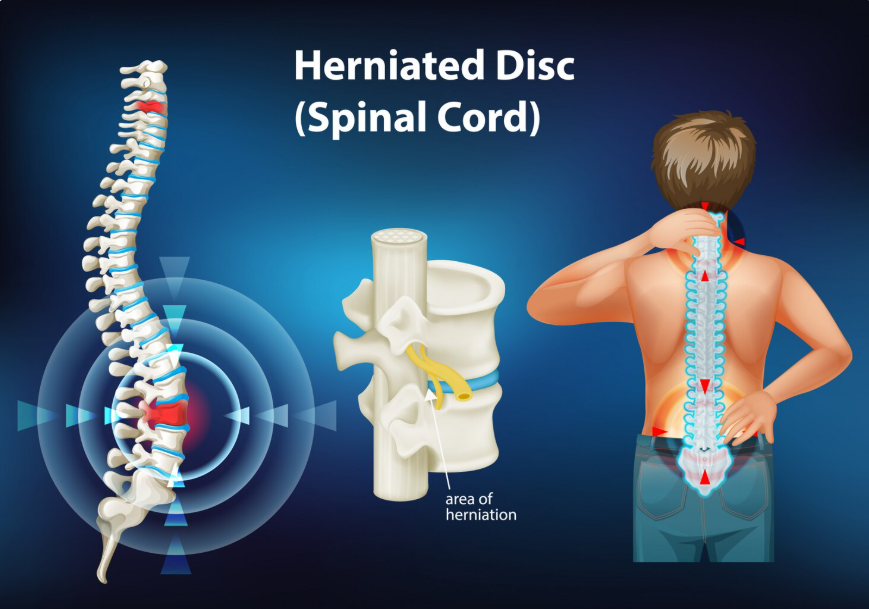
Herniated vs Bulging Disc: Key Differences
When comparing a herniated vs bulging disc, the main difference is the severity and the extent of disc displacement.
A bulging disc maintains its outer structure but protrudes outward.
A herniated disc breaks open, causing more intense and focused nerve pressure.
Understanding these differences helps you determine whether your pain needs early lifestyle changes or more immediate medical care.
HOW TO PROTECT YOUR BACK
You can reduce your risk of disc-related problems by:
Maintaining good posture
Strengthening your core muscles
Avoiding heavy, improper lifting
Taking breaks during long sitting hours
Staying active and flexible
Understanding herniated vs bulging disc conditions empowers you to make the right choices for long-term spinal health.
Final Words
Understanding the difference between a herniated vs bulging disc is the first step toward protecting your spine and managing back pain effectively. By recognizing symptoms early, improving posture, and seeking timely care, you can prevent long-term damage and maintain better back health. If pain continues or affects your daily activities, consulting a spine specialist is the safest way to get the right diagnosis and treatment.
Useful Links
- Copyright 2025 ALDORA INJURY AND WELLNESS