Ph: (425)610-9394
Ph: (360)207-1530


Critical Deficiencies in SIBO that Lead to Autoimmune Disease
Think of your digestive system like a grocery store that supplies your body with all the nutrients it needs to stay healthy and energized. When the store is well-stocked and running smoothly, your body gets everything it needs-from vitamins to minerals-to keep you feeling your best. But with Small Intestinal Bacterial Overgrowth (SIBO), it’s like the shelves in the store are being emptied out by unwanted shoppers-the excess bacteria in your small intestine. These bacteria take up the nutrients from your food before your body can use them, leaving you short on important items that are essential for keeping your immune system strong and your body’s tissues healthy.
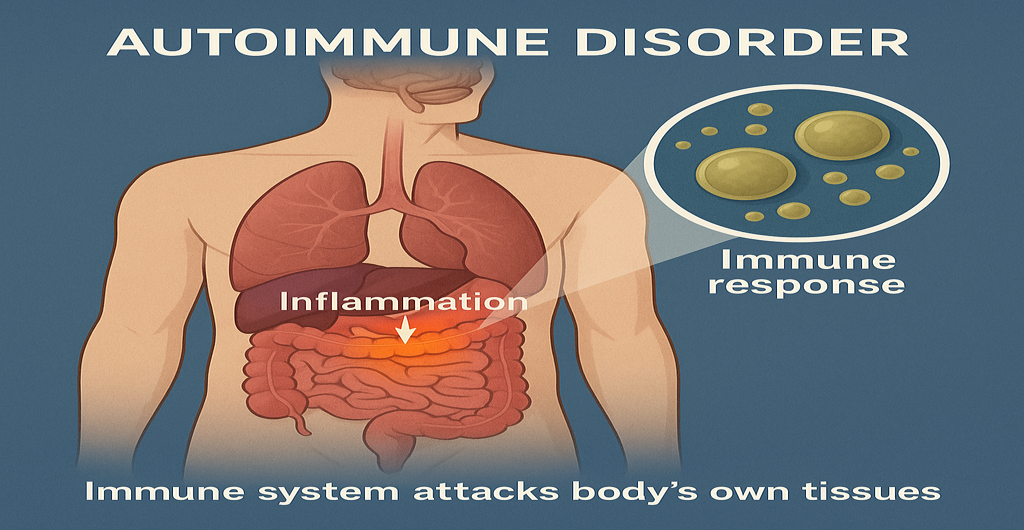
When your “store” runs low on these key supplies, you might notice feeling more tired, getting sick more often, or struggling to recover from everyday challenges. Over time, these shortages can cause chronic inflammation and disrupt your immune system’s balance, making autoimmune problems more likely or worse.
In other words, SIBO isn’t just about tummy troubles—it’s a condition that affects your whole body by stealing the vital nutrients it needs to thrive. What are these nutrients that are deficient in SIBO?
- Vitamin B12
Bacteria overgrowing in the small intestine consume vitamin B12 before your body can absorb it. This deficiency can cause neurological symptoms like numbness, fatigue, and cognitive difficulties. Since vitamin B12 is crucial for proper immune regulation, its shortage may weaken immune tolerance and promote autoimmune conditions such as pernicious anemia and autoimmune thyroid disorders.
- Iron
Chronic gut inflammation caused by SIBO reduces iron absorption, while bacteria compete with the host for available iron. This often leads to iron deficiency anemia, which worsens fatigue and impairs immune function. Iron deficiency is commonly observed in autoimmune diseases like Hashimoto’s thyroiditis and celiac disease.
- Fat-Soluble Vitamins (A, D, E, and K)
SIBO interferes with fat digestion by disrupting bile salt function, which is necessary for absorbing fat-soluble vitamins:
- Vitamin D: Plays a pivotal role in immune modulation. Deficiency is strongly linked to autoimmune diseases such as rheumatoid arthritis, lupus, and multiple sclerosis.
- Vitamin A: Supports mucosal immunity and gut barrier integrity; low levels may exacerbate inflammatory and autoimmune gut disorders.
- Vitamins E and K: Important for antioxidant defense and blood clotting, respectively. Deficiencies can worsen tissue damage and immune dysregulation.
- Magnesium
Damage to the intestinal lining and inflammation caused by SIBO reduce magnesium absorption. Magnesium deficiency can promote systemic inflammation and has been associated with the progression of autoimmune diseases like type 1 diabetes and rheumatoid arthritis.
- Zinc
Increased intestinal permeability (“leaky gut”) from SIBO lowers zinc absorption. Zinc is essential for maintaining immune tolerance and healthy skin. Its deficiency can impair immune regulation and increase susceptibility to autoimmune conditions such as psoriasis and celiac disease.
How These Deficiencies Tie Into Autoimmune Disease
Your digestive system is about more than just breaking down food-it’s also a key player in your immune health. When SIBO damages the lining of your small intestine, it can make the gut “leaky,” letting bacteria and toxins slip into your bloodstream. This can trigger inflammation and sometimes confuse your immune system, causing it to attack your own body-a process seen in autoimmune diseases.
Recent research highlights just how strong this connection is. For example, a study published in the Annals of the Rheumatic Diseases found that 75% of people with autoimmune conditions such as rheumatoid arthritis, lupus, and Sjogren’s syndrome tested positive for SIBO using the lactulose breath test. The study also showed that certain autoimmune diseases, like ankylosing spondylitis, had even higher rates of SIBO. This suggests that bacterial overgrowth in the small intestine may play a role in triggering or worsening inflammation in autoimmune disorders.
Recent research highlights just how strong this connection is. For example, a study published in the Annals of the Rheumatic Diseases found that 75% of people with autoimmune conditions such as rheumatoid arthritis, lupus, and Sjogren’s syndrome tested positive for SIBO using the lactulose breath test. The study also showed that certain autoimmune diseases, like ankylosing spondylitis, had even higher rates of SIBO. This suggests that bacterial overgrowth in the small intestine may play a role in triggering or worsening inflammation in autoimmune disorders.
How SIBO Can Disrupt Your Day
When too many bacteria grow in your small intestine—where there should only be a few—they interfere with how your body digests food and absorbs nutrients. This can leave you dealing with:
- Ongoing stomach discomfort and bloating
- Unpredictable bathroom habits (diarrhea or constipation)
- Feeling tired all the time and having a hard time concentrating
Health Issues Often Linked to SIBO
SIBO is connected to a variety of health problems, not just those involving your gut:- Rosacea: Many people see their skin clear up after treating SIBO.
- Restless Legs Syndrome (RLS): SIBO can make this condition worse, especially if you’re low on iron.
- Interstitial Cystitis (IC): Painful bladder symptoms sometimes improve when SIBO is treated.
- Diabetes: SIBO is more common in people with diabetes and can make blood sugar harder to manage.
- Autoimmune Arthritis: Extra bacteria in the gut can make joint pain and swelling worse.
How Is SIBO Diagnosed?
- Breath Testing
This is the most common and easiest way to check for SIBO. You’ll drink a special sugar solution, then breathe into a tube every 15–20 minutes for a couple of hours. If your breath has high levels of hydrogen or methane, it’s a sign of bacterial overgrowth.
- Small Intestine Fluid Sampling
This is a more direct but less common test. During an endoscopy, a doctor takes a fluid sample from your small intestine to check for bacteria.
- Blood and Other Tests
Doctors might also check your blood for vitamin and mineral deficiencies or use stool tests and imaging to rule out other causes.
What Can You Do About SIBO?
Medical Treatment
- Antibiotics: Antibiotics targeting gut bacteria are often prescribed to reduce the excess bacteria.
- Other Antibiotics: Depending on your symptoms, your doctor might choose a different antibiotic or a combination.
Dietary Changes
- Diets that limit certain carbs that feed bacteria help to reduce symptoms.
- Elemental Diet: In some cases, a liquid diet with easily absorbed nutrients is used to “starve” the bacteria.
Supplements and Lifestyle
- Vitamins and Minerals: Your doctor may recommend supplements to correct deficiencies.
- Probiotics: Some people benefit from specific probiotic strains to help restore balance.
- Stress Management: Since stress can make SIBO symptoms worse, techniques like mindfulness, gentle exercise, or counseling can be helpful.
- Regular Monitoring: Follow-up breath tests or symptom tracking help catch SIBO if it comes back.
Take Control of Your Gut Health (and Your Life!)
If you’ve been feeling drained, dealing with frequent illnesses, or just not bouncing back like you used to, it might be time to take a closer look at what’s happening inside your “nutrient store.” Addressing SIBO can help restock those essential vitamins and minerals, reduce inflammation, and bring your immune system back into balance. Don’t let hidden nutrient shortages hold you back—reach out to a healthcare provider or visit us at Aldora Injury and Wellness so we can help you reclaim your health and get your body functioning at its best again.
Resources
- National Institute of Health: Small Intestinal Bacterial Overgrowth
- Medical News Today: What is SIBO
- NCBI: SIBO and Associated Diseases
- BMJ: Hydrogen and Methane Production in Autoimmune Disease
Useful Links
- Copyright 2025 ALDORA INJURY AND WELLNESS